
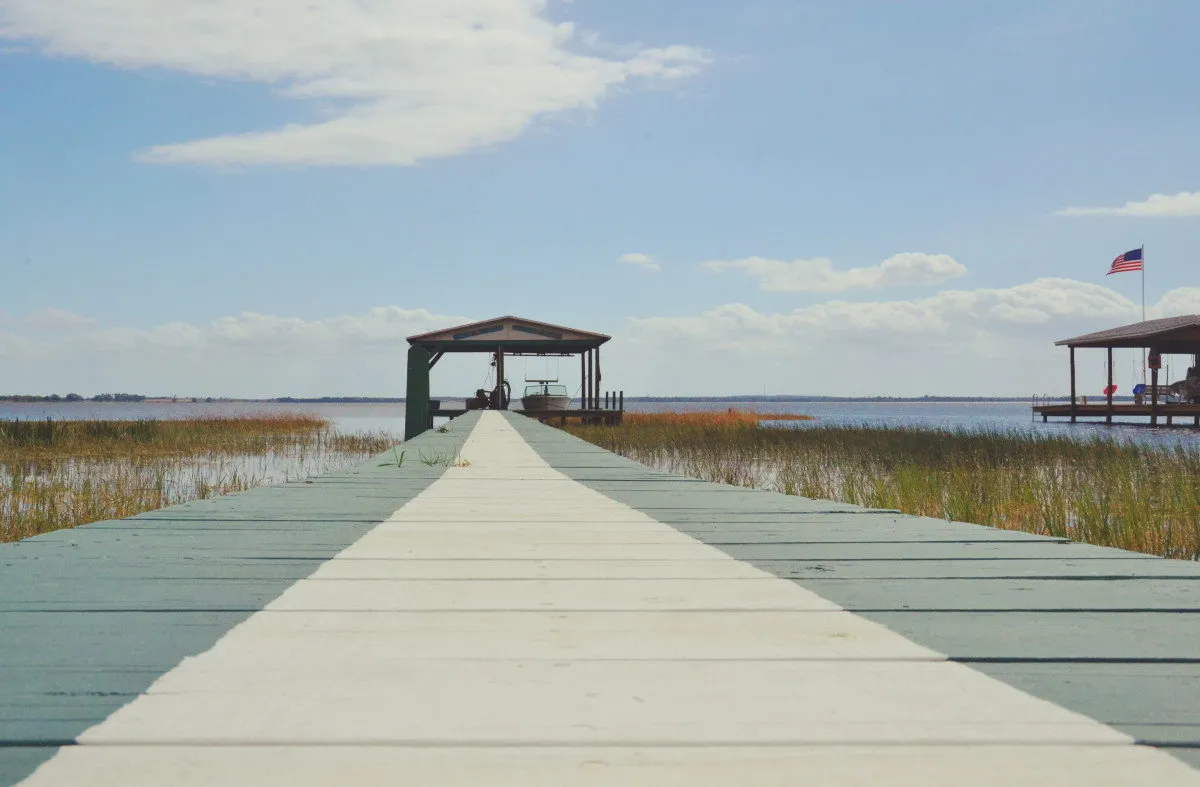
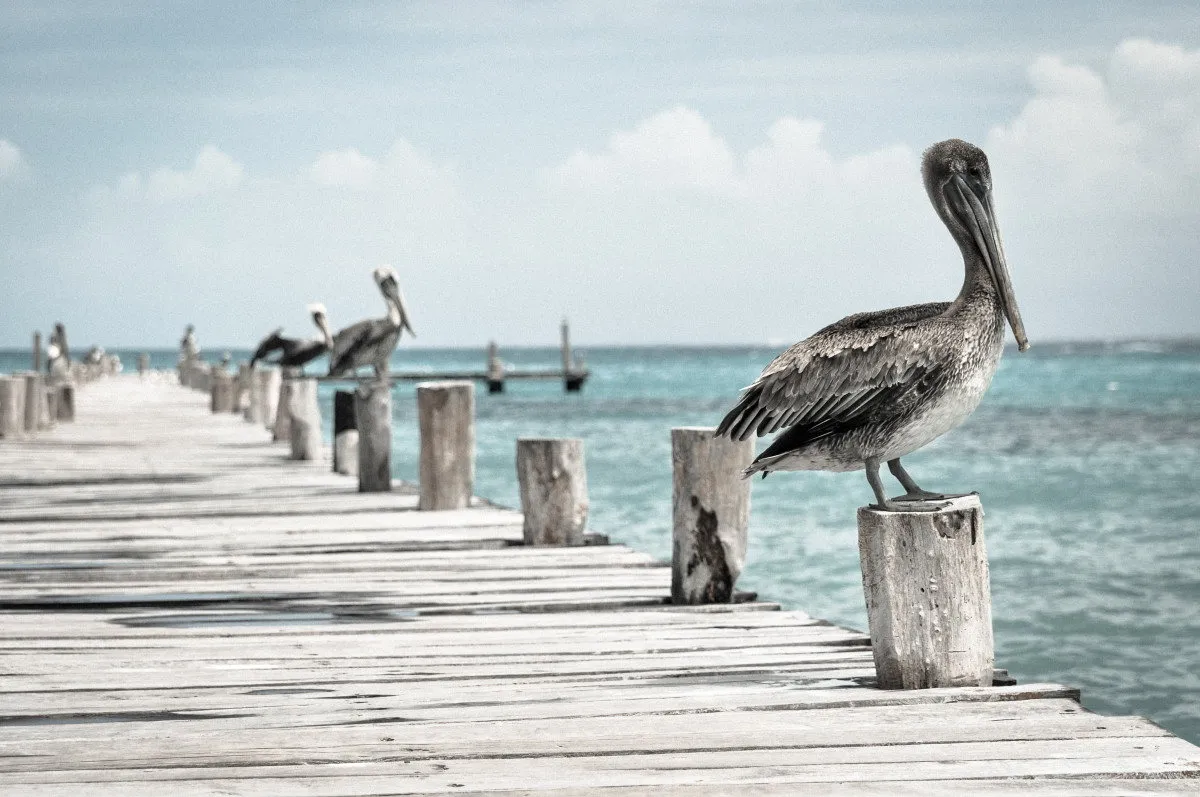
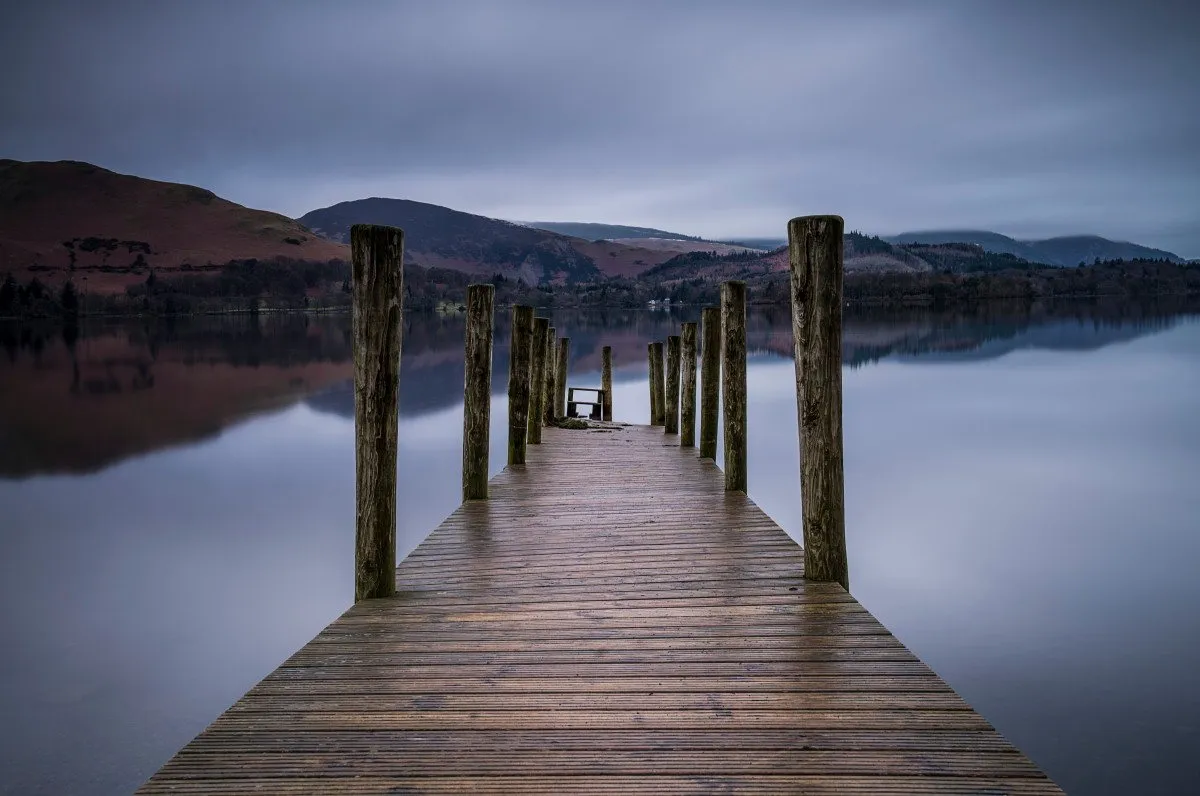
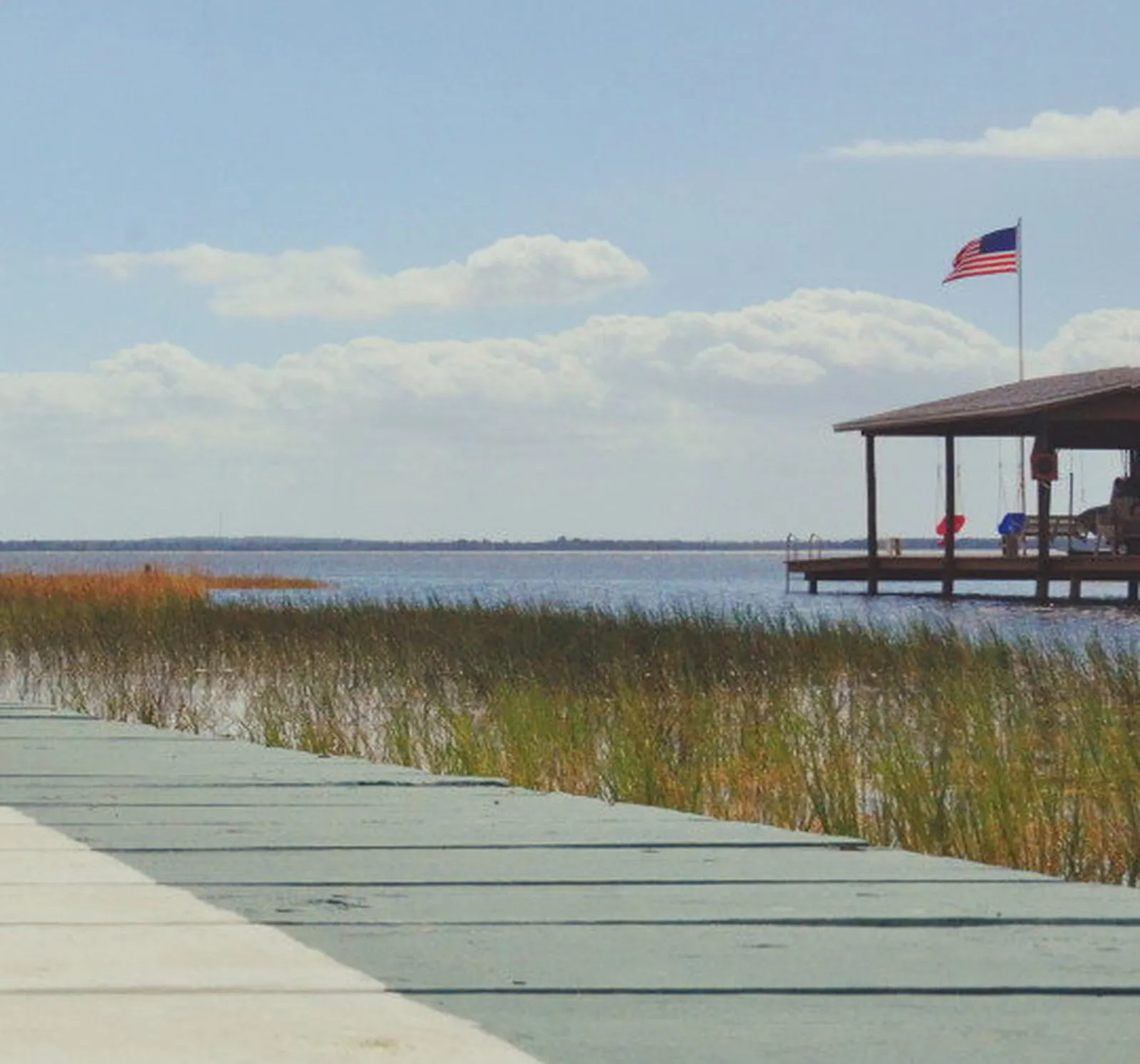
A covered dock with a hip roof at the end of a long timber boardwalk crossing tidal marsh grass toward open water

Marine construction & outdoor living

Built for Life on the Water.

From custom dock construction and repairs to premium deck building and waterfront improvements, Jacksonville Dock Builder helps Northeast Florida property owners create lasting outdoor spaces.

  • Jacksonville
  • St. Augustine
  • Ponte Vedra
  • Northeast Florida
(904) 821-5744

Jacksonville Dock Builder

Waterfront property in Northeast Florida is only as good as the structure that gets you onto the water — and a dock here has to answer to tidal swing, brackish water, marine borers and hurricane season all at once.

We design and build docks, boat lifts, floating platforms and waterfront decks around the conditions on your specific shoreline. Not a standard drawing with your address on it — a structure sized to your low-tide depth, framed for what you intend to put on it, and detailed for the water it will actually sit in.

The same crew handles the estimate, the permitting, the build and the punch list. There is no lead broker in the middle and no subcontracted handoff you did not agree to. When you call, you speak to the people who will be standing on your dock.

  • Certified General Contractor #1533461Licensed by the Florida DBPR — verify the number yourself
  • Designed to the siteLow-tide soundings and bottom conditions before any drawing
  • Permitting handledLocal, state and federal submittals prepared and tracked
  • Marine-grade throughoutCorrect treatment retention and corrosion-rated hardware
  • One contractorYour enquiry is never sold to a lead network

What we build

Seven ways we work on Northeast Florida waterfront

Marine construction and outdoor living under one roof — so the dock, the walkway and the deck that connect your house to the water are designed as one project.

All services
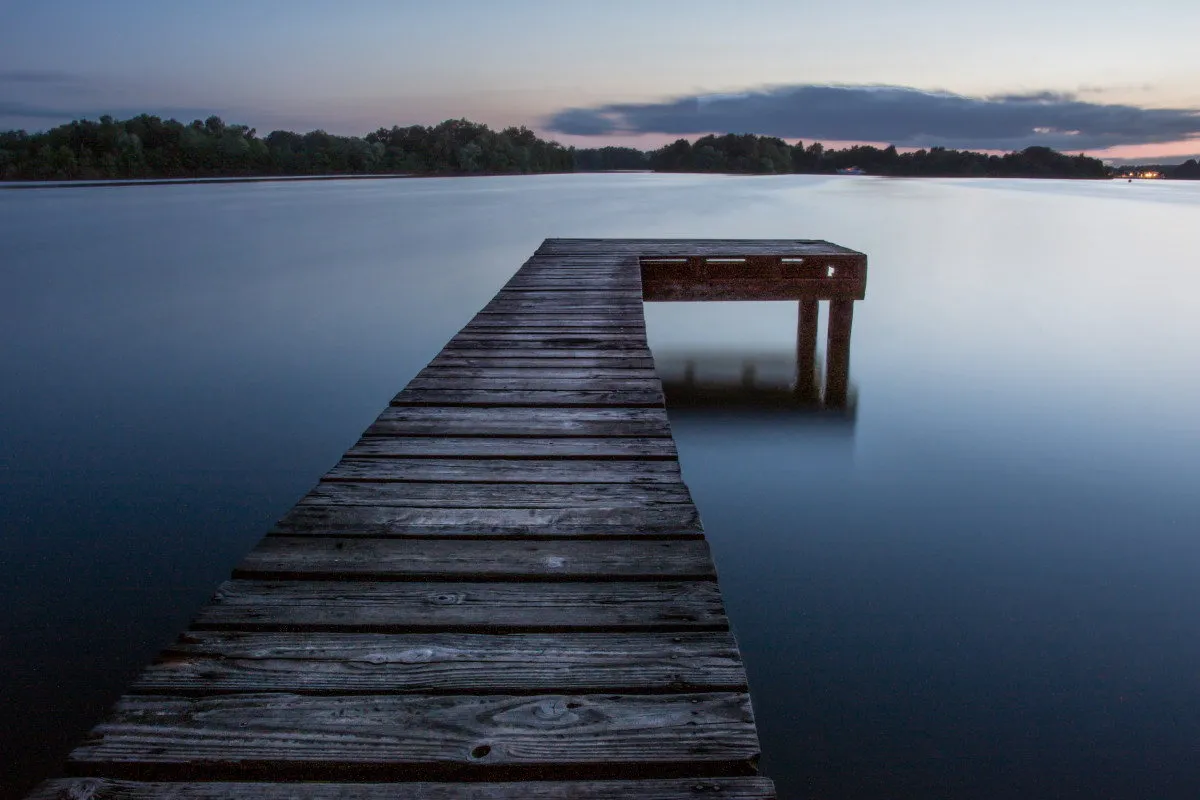
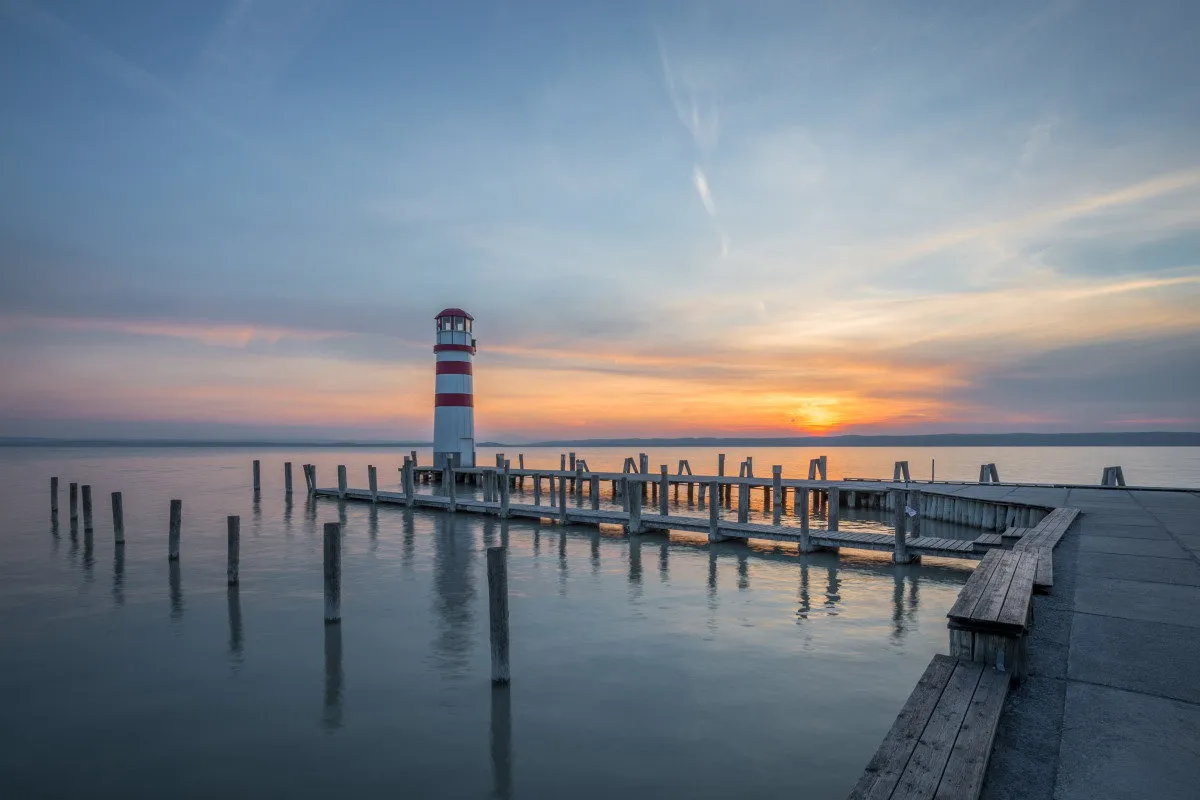
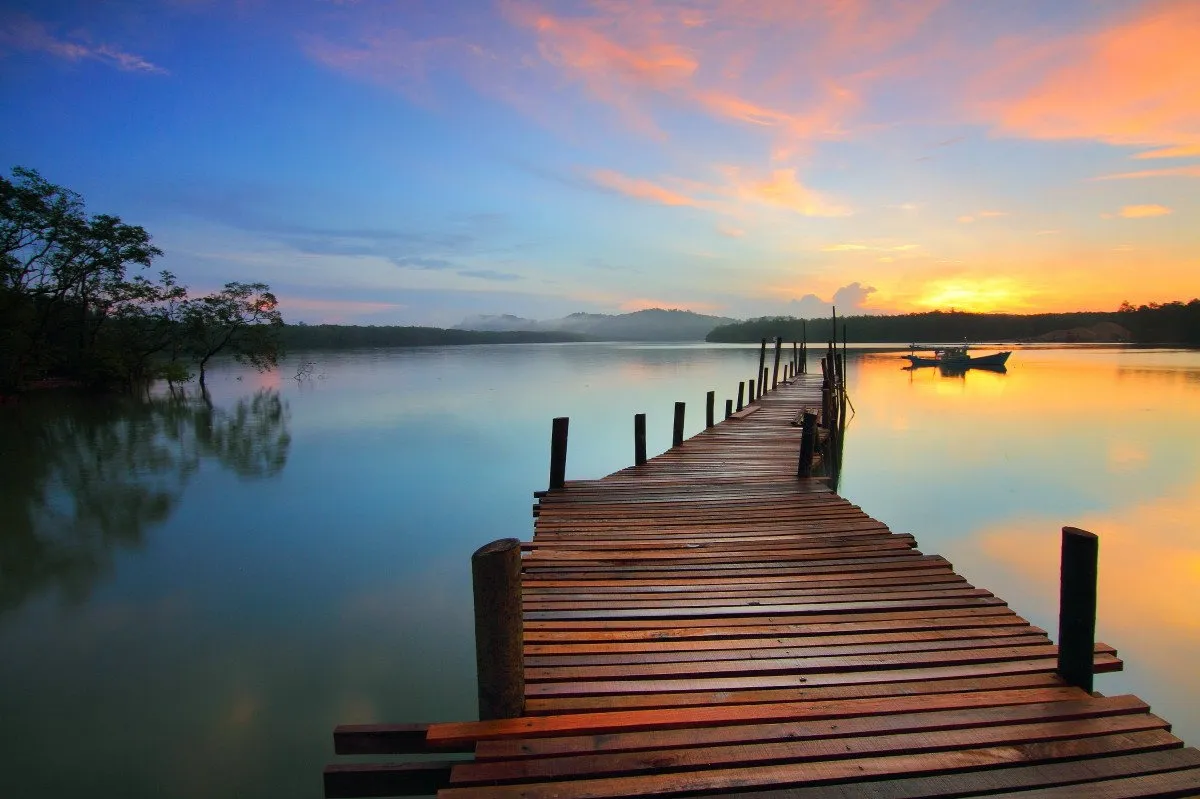
A timber dock reaching across still water toward a sunset horizon

Dock construction

A dock is only as good as what is under the deck boards

Most of the cost of a dock — and all of its service life — sits below the surface you walk on. Pilings driven to refusal in the riverbed, framing sized for tidal cycling and storm loading, and hardware specified for the splash zone rather than for a back garden.

We size the structure from a low-tide sounding on your own frontage, because reaching water that still floats a boat at the bottom of the tide is what determines whether the dock is useful. Longer is not better. The right dock is the shortest structure that does the job properly.

  • Driven pilings, not augered
  • Straight, L and T configurations
  • Marine-rated treatment and hardware
  • Framed for lifts and roofs from the start
Dock construction
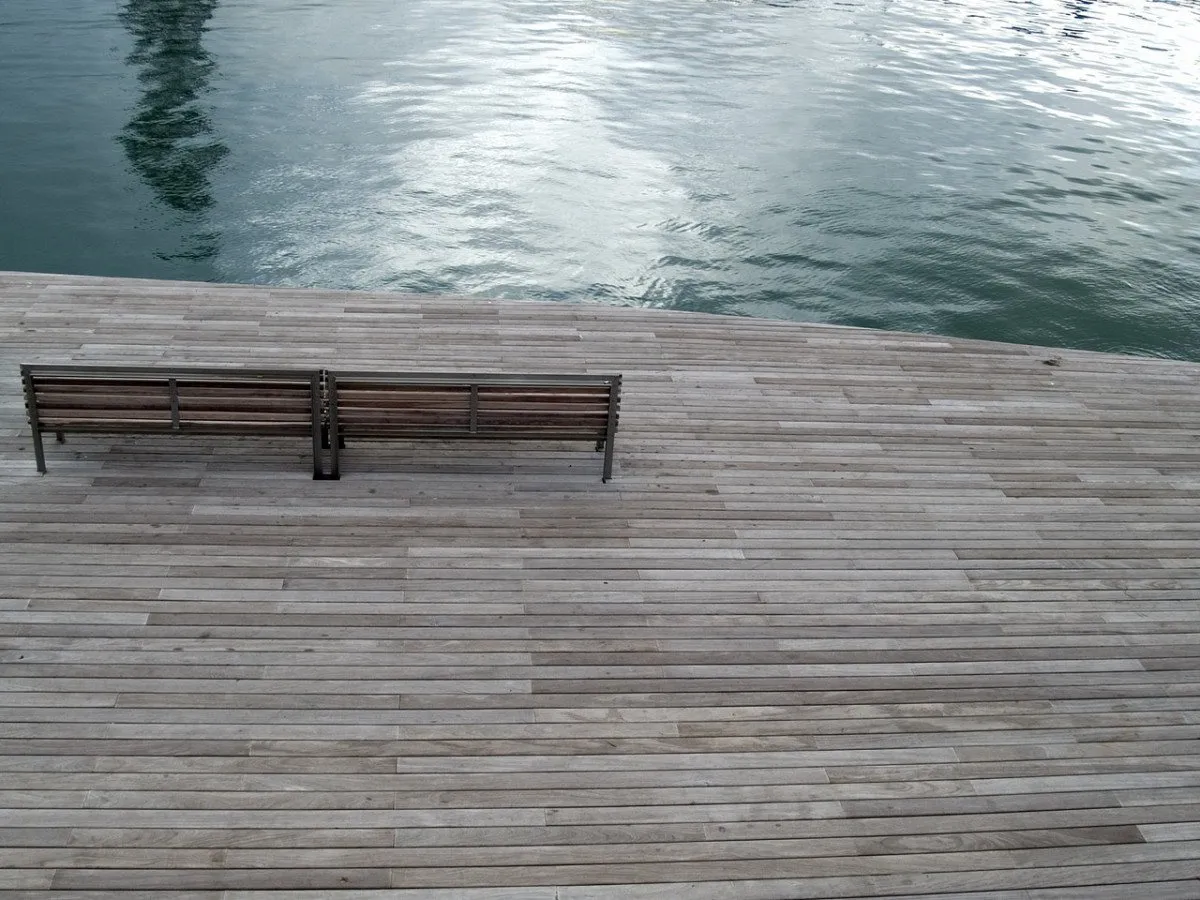
A timber deck terrace with outdoor seating overlooking open water

Deck building

Outdoor living that connects the house to the water

A deck is not a dock on dry land. It answers to the Florida Building Code, is inspected by a local building department, and fails in ways that put people on the ground. The ledger connection, the flashing behind it and the footings matter more than anything you can see once it is finished.

We build both, and we keep the distinction clear. When the deck, the walkway and the dock are designed together, elevations line up and materials match — so the journey from the back door to the boat reads as one piece of work rather than three.

  • Composite and pressure-treated builds
  • Multi-level and poolside decks
  • Deck-to-dock transitions
  • Stairs, railings and resurfacing
Deck building
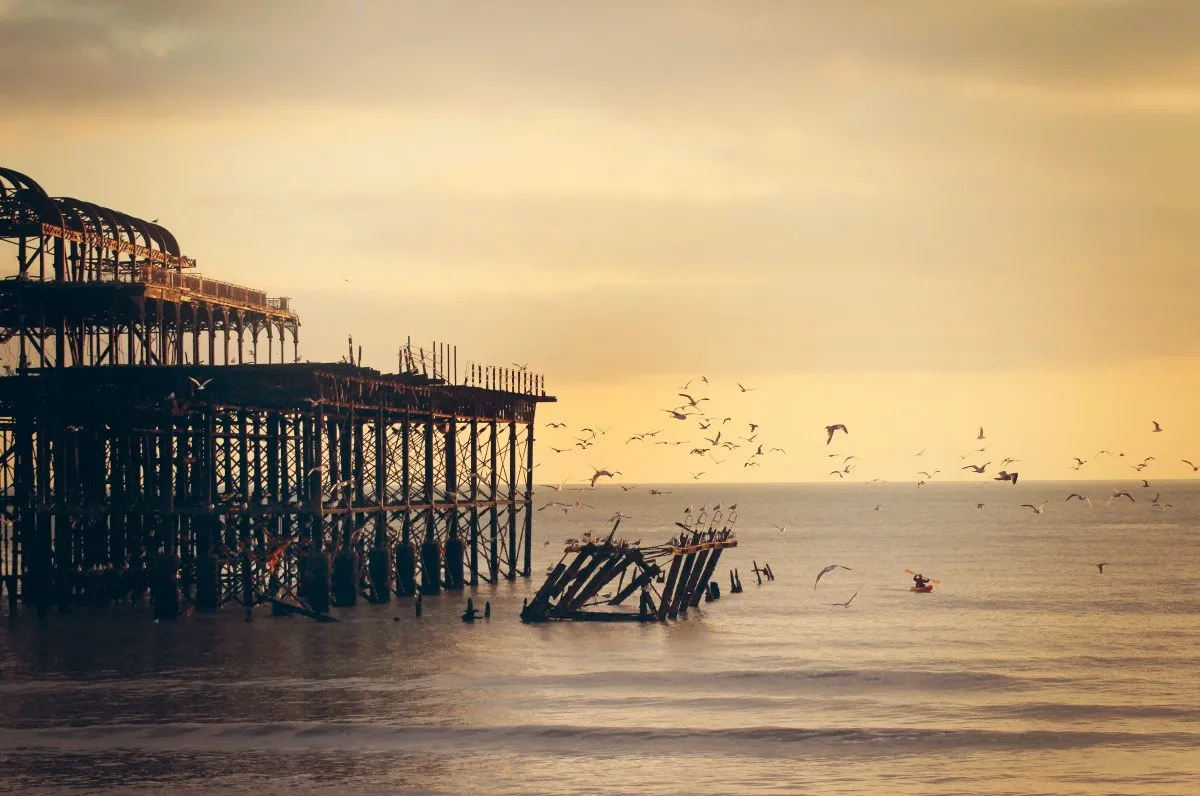
Timber dock pilings standing in dark still water beneath a low overcast sky

Repair & replacement

An honest answer on whether it is worth saving

There is a point where accumulated repairs exceed what a replacement would have cost, and most owners pass it without noticing. The rough test is simple: if you are replacing timber above sound pilings, you are maintaining a dock. If you are working on or below the pilings, you are usually paying a premium to delay the inevitable.

We will tell you which situation you are in, in writing, before you commit to either. We would rather turn down a repair than take money for work that cannot last.

  • Inspection from below at low tide
  • Decking, framing and piling repairs
  • Storm damage documentation
  • Full and partial replacement
Dock repair

Lifts & floating systems

Keep the hull out of the water — and the step down to it constant

Two additions that change how much a waterfront property actually gets used.

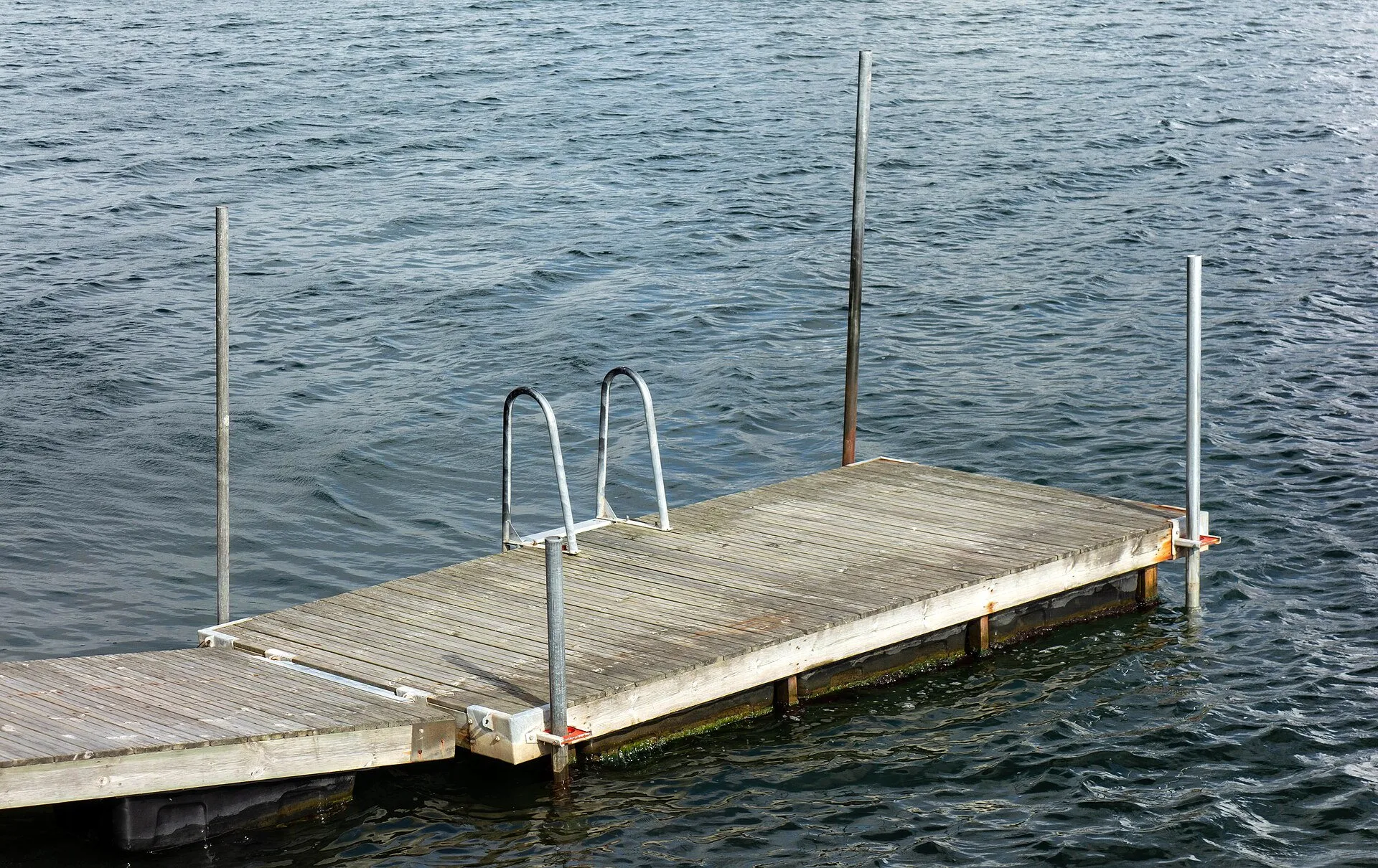
A covered dock with a hip roof sheltering a boat lift beside tidal marsh grass

Boat lifts

Warm brackish water grows things on a submerged hull within days in summer. A correctly sized lift stops bottom growth, protects the running gear and takes the boat off the bottom at low tide. Size it against loaded weight — hull, fuel, water, batteries and gear — not the dry figure in the brochure.

  • Installation, replacement and upgrades
  • Dedicated lift pilings where the dock cannot carry it
  • Covered lift bays designed for the wind load
Boat lifts
A timber floating dock platform held in position by guide piles in open water

Floating docks

Northeast Florida has real tidal range — around six feet at the Nassau County end. On a fixed dock the step down to your boat changes by that much across the day. A float keeps it constant, which is what makes kayaks, paddleboards and small craft practical rather than theoretical.

  • Modular platforms and kayak launches
  • Gangways sized to the full tidal range
  • Guide piles specified for high-water events
Floating docks

Capabilities

Residential and commercial marine construction

A family dock and a marina answer to different masters. We build both, and we do not confuse the two.

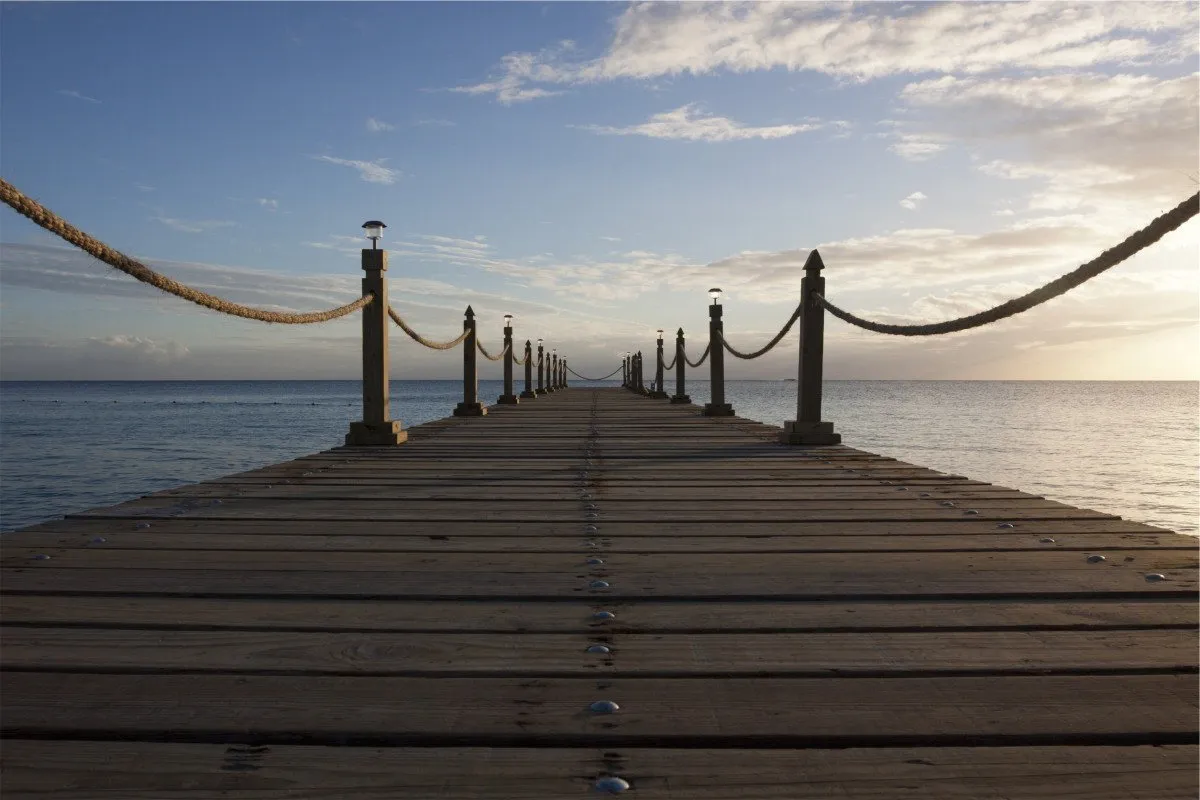
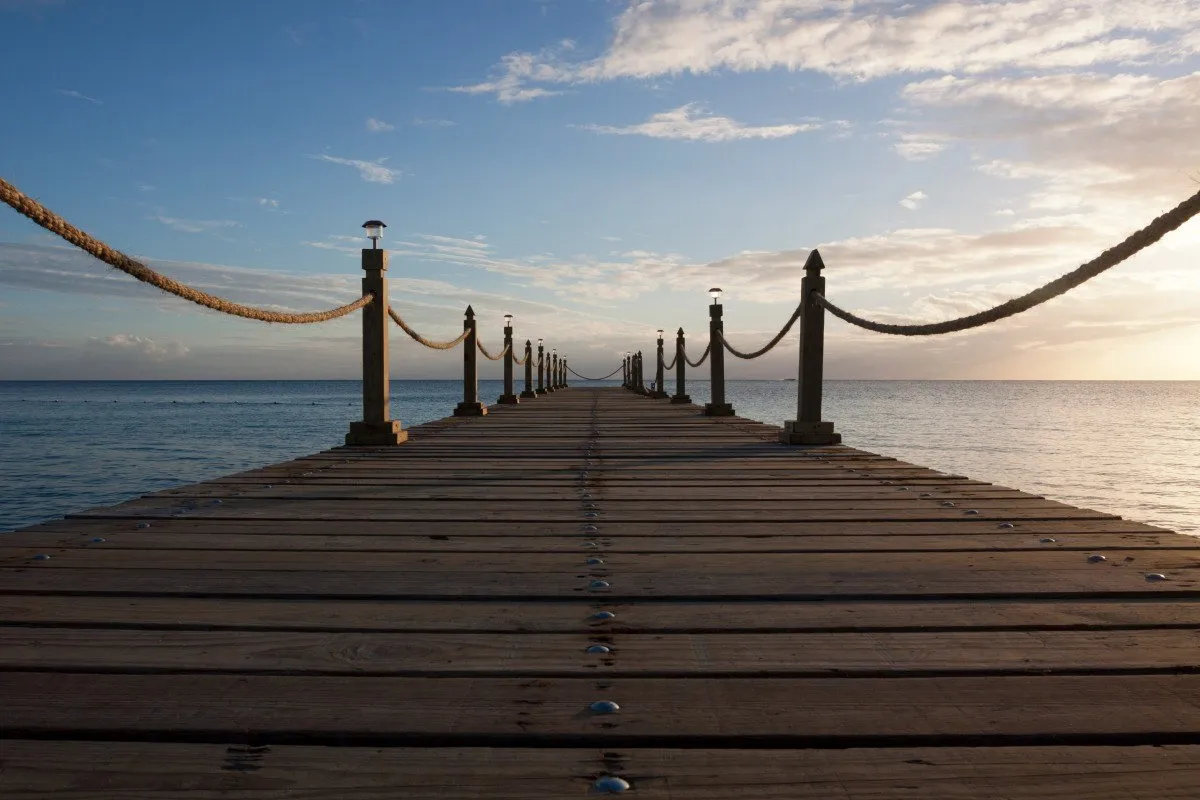
A private timber dock with rope railing reaching over quiet water at dusk

Residential

Single-family docks, boat lifts, floating platforms and the decks that connect them to the house. Designed around how one household actually uses the water.

Typical scope
Dock, lift, walkway, waterfront deck
Review
Local permit + state and federal environmental
Design driver
Low-tide depth and intended use
Residential dock construction
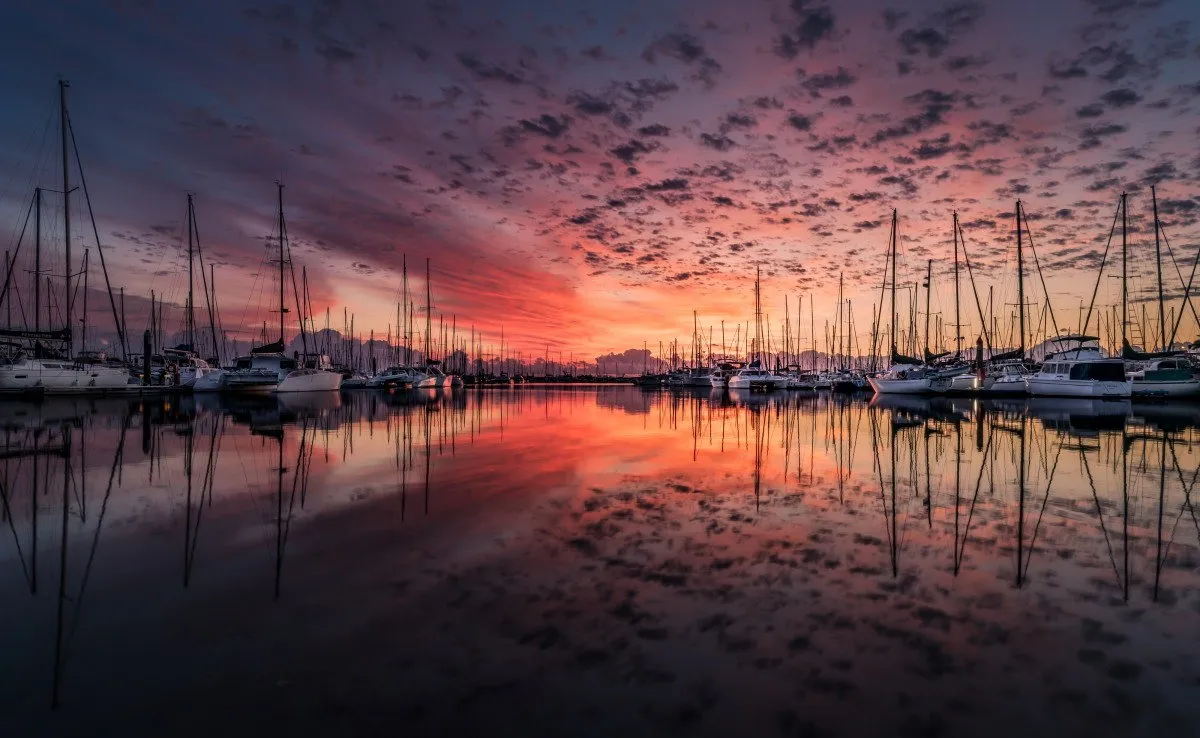
A marina of moored sailing boats with masts reflected in still water at sunset

Commercial & HOA

Marina dockage, community and HOA docks, multi-slip systems and waterfront facility improvements — with the documentation a board, an insurer and a reviewing agency all expect.

Typical scope
Multi-slip systems, gangways, facility upgrades
Review
More agencies, engineered drawings commonly required
Design driver
Vessel mix, traffic volume and duty cycle
Commercial marine construction

Configurations & detail

What these structures actually look like

A reference library of dock and deck configurations, materials and details — so you can point at something rather than describe it.

Full gallery
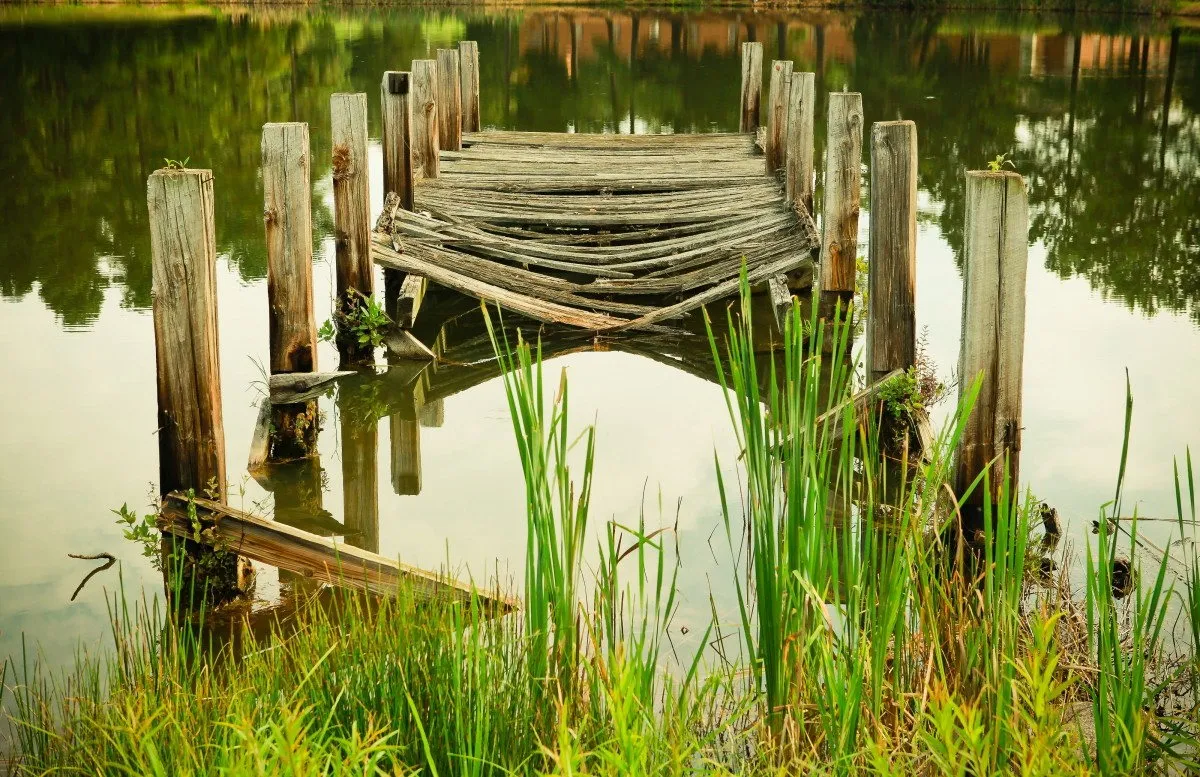
Weathered timber dock pilings standing in shallow water beside marsh grass
Dock repair

Pilings approaching end of life

Weathered pilings showing the waterline wear that decides whether a structure is a repair or a replacement. The assessment happens below the deck, not on it.

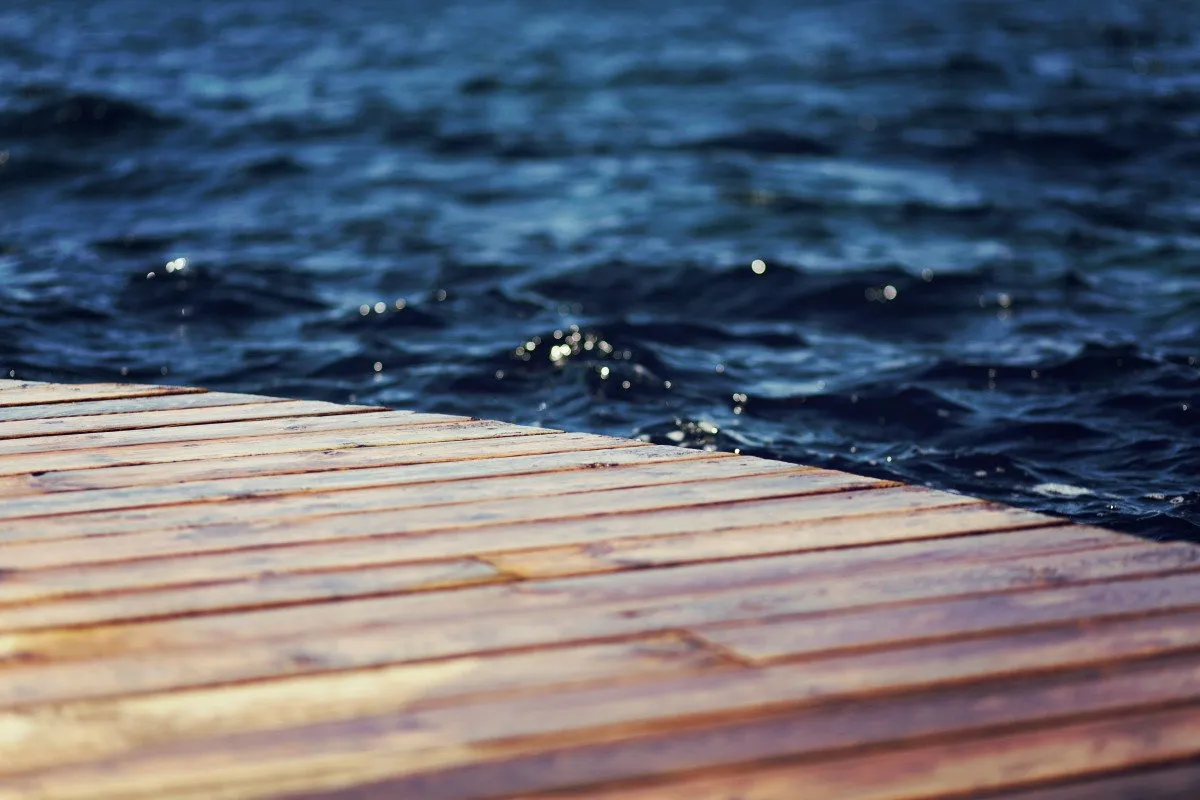
Close view of timber dock decking meeting the water at the structure's edge
Dock construction

Decking and edge detail

How the deck boards meet the outer frame determines how water sheds, how the edge wears and how comfortable the dock is to sit on.

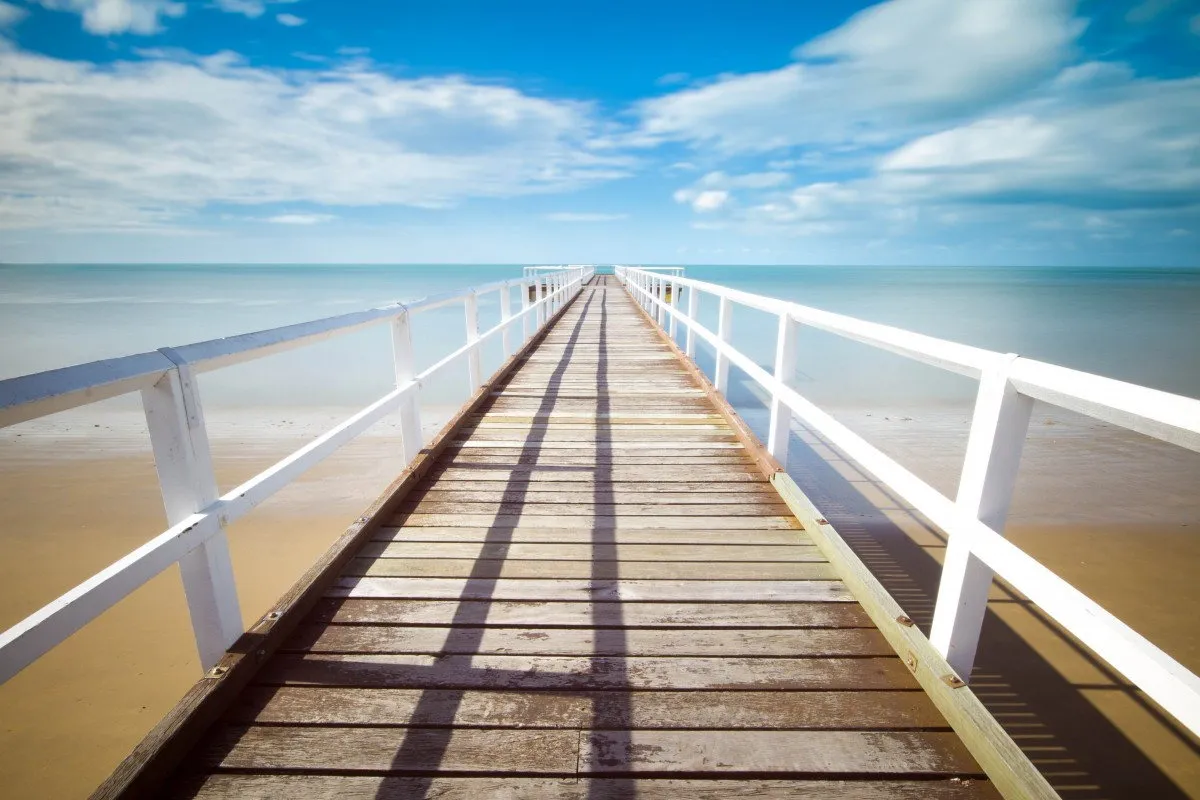
A timber dock walkway with white guard railing running out over open water
Dock construction

Walkway with guard railing

Railings become a requirement rather than an option once a walkway sits far enough above the water, and they change the feel of the approach considerably.

A straight timber dock walkway extending from a grassy bank into calm water
Dock construction

Straight walkway to deep water

The simplest configuration — a walkway that ends where the water is deep enough. Least cost per foot, and the right answer where access is the whole requirement.

Weathered timber deck boards photographed against open sky
Deck building

Pressure-treated timber decking

Treated pine, correctly specified and maintained, still makes an excellent and economical Florida deck.

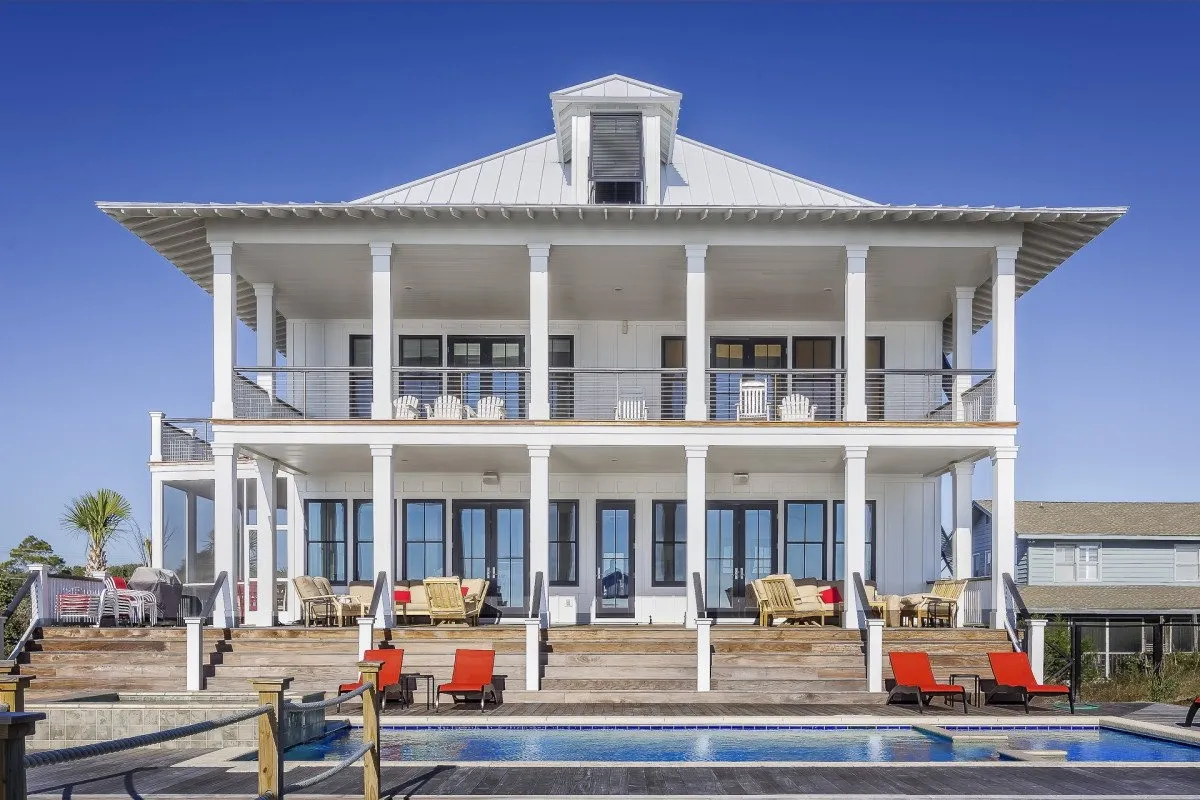
A bright poolside deck with evenly spaced boards running to the water line
Deck building

Poolside deck surface

Light boards and tight, even spacing. Surface colour decides whether a Florida deck is comfortable barefoot through the middle of the day.

Why Jacksonville Dock Builder

Four things that change the outcome

No awards, no invented project counts, no borrowed testimonials. Just how we work and why it matters on this coast.

  1. 01

    One contractor, start to finish

    Your estimate, your build and your punch list are handled by the same crew. No lead broker in the middle, no subcontracted handoffs you never agreed to.

  2. 02

    Built for Northeast Florida water

    Tidal swing, brackish water, oyster beds and hurricane season all shape how a structure should be framed, fastened and set. We design around the conditions on your shoreline, not a catalogue drawing.

  3. 03

    Permitting handled as part of the job

    Waterfront work in Florida touches local building departments, the FDEP, the Water Management District and often the Army Corps. We prepare and track the submittals that your project requires.

  4. 04

    Marine and outdoor living under one roof

    A dock, the walkway to it, the deck it connects to and the lift on the end are one project. Building them together keeps elevations, materials and detailing consistent.

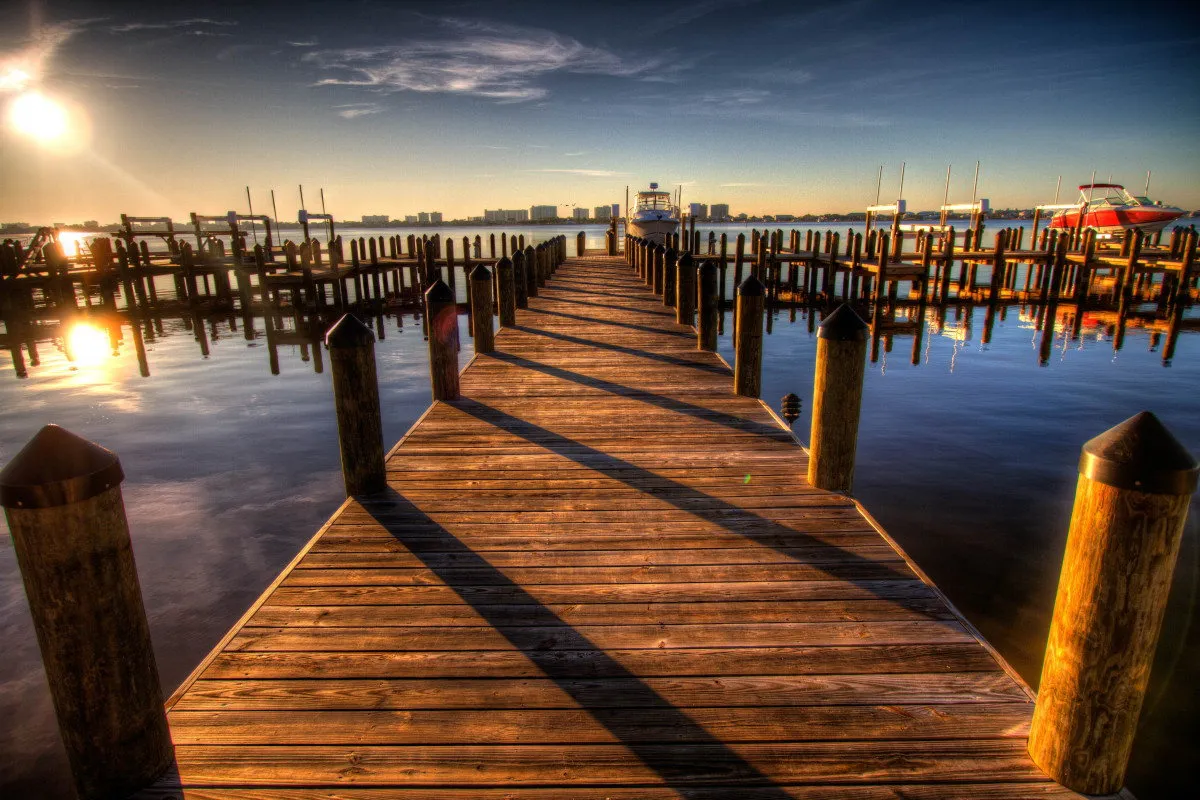
A timber dock reaching into still coastal water at sunrise

Plan your project

Work out what you need before you ask for a price

Most people call a dock builder before they know what they want, and then make decisions under time pressure. Our planning resource walks through the choices in the order they actually matter — layout, materials, lift, timing — with the Northeast Florida specifics that generic advice leaves out.

When you are ready, the project brief builder turns your answers into a summary you can send us. It takes a few minutes and makes the first conversation considerably more useful.

  • Straight, L and T layout guide
  • Fixed vs. floating comparison
  • Wood vs. composite materials
  • Boat lift sizing questions
Dock project planning

Common questions

Questions we are asked before every project

If yours is not here, call and ask. We would rather answer it now than have it come up halfway through a build.

What areas of Northeast Florida do you cover?

We work throughout Duval, St. Johns, Clay, Nassau, Putnam and Flagler counties — Jacksonville and the beaches, St. Augustine and Vilano, Ponte Vedra, Fleming Island, Orange Park, Green Cove Springs, Fernandina Beach and Amelia Island, Palm Coast and Palatka. If you have water frontage in the region, we can reach it.

Do I need a permit to build or replace a dock in Florida?

In nearly all cases, yes. Waterfront work here can involve a local building permit, state environmental review through the Florida Department of Environmental Protection or the St. Johns River Water Management District, and federal authorisation from the U.S. Army Corps of Engineers Jacksonville District. Some small private residential docks qualify for streamlined exemptions. Which applies depends on size, waterway and what is on the bottom. We prepare and track the submittals as part of the project.

How much does a dock cost in Jacksonville?

The dominant variable is length, because pilings and the labour to drive them are the largest cost on nearly every project — and length is set by how far you must go to reach water that is usable at low tide. A dock on a deep-water lot and a dock on a shallow Clay County shelf can differ by a multiple. We sound your frontage at low tide before quoting, rather than giving you a number that moves later.

Do you build decks as well as docks?

Yes, and they are genuinely different disciplines. A dock is marine construction reviewed by environmental agencies; a deck is building construction governed by the Florida Building Code and inspected by a local building department. We keep the distinction clear and build both to the standard each demands. When a project involves both, designing them together is what makes the house-to-water journey read as one piece of work.

How soon can you start?

Construction is rarely the constraint — permitting is. On-site work for a typical residential dock is often one to three weeks. The review process beforehand varies considerably with the waterway, the parcel and the agencies involved. We give you a realistic schedule once we know what your project will require, and we will not quote you a date we cannot stand behind.

Is my enquiry shared with multiple contractors?

No. Jacksonville Dock Builder is not a directory or a lead marketplace. Every enquiry through this site goes to one marine contractor — the one who would build your project. You will not be called by five companies.

Start your project

Tell us what you are planning

Send the basics and we will come back with a clear scope, realistic timing and an honest view of what your shoreline can support.

Prefer to talk(904) 821-5744
  • One contractor receives your enquiry — never a lead network
  • We will tell you if repair is the better value than replacement
  • Permitting guidance included in every estimate conversation

Free · no obligation

Request a project estimate

Tell us what you are planning. We will follow up to confirm the details, and where a site visit makes sense we will schedule one.

The more detail you give, the more accurate the first conversation will be.

Add measurements, budget, timing or photos
Preferred contact method
Photos of the site or existing structure

Up to three images or a PDF survey, 8 MB total. A shot of the shoreline and one of any existing structure help more than anything else you can send.

Or call (904) 821-5744

By sending this form you agree to be contacted about your project. Your details go to one marine contractor — they are never sold or shared with a lead network. See ourprivacy policy.

Not ready for an estimate yet?

Start with the planning guide, or send photos and we will tell you what we see.